

Selling physical products means dealing with inventory, packaging, and shipping headaches. There’s a simpler path: digital products. When you sell something that lives entirely online, there’s no warehouse to rent and no boxes to tape shut — just a file that goes out to a customer’s inbox or download folder.
It’s also one of the strongest passive income models around, because the heavy lifting happens once, up front. After that, the same file can be sold to hundreds — or thousands — of buyers anywhere in the world without you lifting a finger for each sale.
In plain terms: digital products are non-physical goods — ebooks, templates, courses, printables, and similar items — that get delivered electronically, usually by email or instant download.
Nearly anyone can get into this kind of small business, especially if you already have knowledge, a skill, or an experience worth packaging up. The barrier to entry is refreshingly low — no big budget, no storage space, just an idea and something to build it with (or someone you can hire to build it for you).
Whether you’re after a side hustle on top of your day job or a full-blown home business, digital products give you room to grow at your own pace.
Below, we’ll walk through 30 profitable digital product ideas, explain what separates a product that sells from one that doesn’t, and cover how to actually get your creations in front of paying customers.
💡 Ready to Build a Real Income Stream?
Mint My Income shows you exactly how to turn ideas like these into consistent online income — no guesswork required.Visit Mint My Income →
What Exactly Counts as a Digital Product?
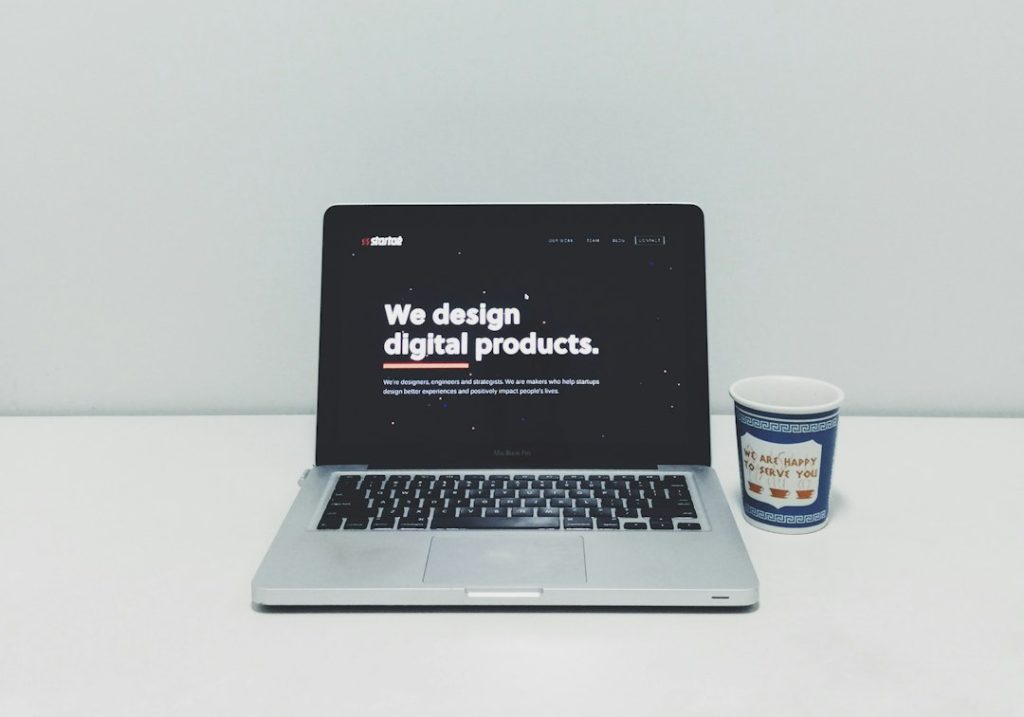
A digital product is anything that exists purely in electronic form and can be resold over and over without ever touching inventory or a shipping label. That covers everything from full online courses to a single design template — and the profit margins tend to be excellent because overhead stays so low.
If you want a simple way to sell these, setting up your own Shopify store is one of the most common routes creators take.
What Falls Under “Digital Products”?
At its simplest, a digital product is something you can only download, stream, or access through a login — never hold in your hands.
The most common categories are ebooks, online courses, videos, music files, and digital art, along with software, apps, and website themes.
Printables are a distinct sub-category: your customer downloads a design and prints it themselves at home.
Templates and tools make up another huge slice of the market — think resume templates, graphic design files, and Photoshop filters that save someone else hours of work.
Digital memberships and subscriptions have also taken off, with customers paying ongoing fees for exclusive libraries, communities, or premium content drops.
Why Sell Digital Instead of Physical?
The biggest draw is cost. There’s no inventory to store and no shipping to arrange, which keeps overhead near zero.
Profit margins commonly land around 90% once fees are taken out, since there’s so little recurring cost per sale.
Delivery can run entirely on autopilot — once a customer checks out, the file or access link goes out automatically through your chosen platform.
You also get pricing flexibility that physical products can’t match: free items to grow your list, one-time paid downloads, or recurring subscriptions, all from the same catalog.
The numbers back up how big this space has gotten — the e-learning market alone is projected to hit $848 billion by 2030.
And there’s an environmental upside too: no manufacturing waste, no shipping emissions.
30 Digital Product Ideas Worth Selling
Digital products work because you build once and sell endlessly. The ideas below span written content, visual assets, and full-blown learning experiences, so there’s something here regardless of your skill set.
1. Ebooks

Ebooks remain one of the most accessible digital products to launch. Write about something you already know — cooking, business, personal growth, whatever your lane happens to be.
Startup costs are minimal: writing software and maybe a cover-design tool. AI writing tools can speed things along, but leaning on them too heavily tends to produce flat, generic-sounding text, so it’s worth staying hands-on with the actual writing (or hiring a ghostwriter if writing isn’t your thing).
You can sell straight from your own site or list through Amazon Kindle Direct Publishing to tap into a much bigger audience.
Solid topics include how-to guides, fiction, business strategy, and self-improvement. Keep the scope tight — one problem solved, or one skill taught — and it’ll feel far more valuable to buyers.
On pricing: shorter ebooks typically sell in the $7–$15 range, while longer, more in-depth books can command $20–$50 or more.
2. Downloadable Guides
Guides are the fast-answer cousin of the ebook — shorter, and built around specific, actionable steps rather than a full narrative.
Most are delivered as instant-download PDFs. Popular formats include beginner walkthroughs, step-by-step tutorials, and curated resource lists.
A freelancer, for example, might sell a guide on landing clients, while a designer could package up a guide to color theory.
Make guides skimmable — bullet points, checklists, and images break up the text and make the content easy to act on quickly.
Expect guides to sell somewhere between $5 and $25. Bundling several related guides together lets you charge more while giving buyers a better deal.
3. Templates and Design Assets
Templates hand your customer a ready-made structure they can plug their own content into. Business, presentation, and social media templates are all consistently in demand.
Canva makes these especially easy to build — there are countless Canva-based digital product ideas worth exploring for a template-focused business.
Popular template categories include:
- Resume templates for job seekers
- Proposal templates for freelancers
- Notion templates for productivity
- Canva templates for social media
- Website templates for small businesses
Beyond Canva, tools like Google Docs and Notion work well too. Templates sell across nearly every industry — a small business owner might grab invoice templates while a content creator buys social post layouts.
Design assets like fonts, icons, and graphics fall in the same bucket, giving other creators building blocks instead of a blank page.
Pricing typically runs $5–$50 per template, with bundles reaching $50–$200.
4. Online Courses and Video Lessons

Online courses let you teach at scale. Video-based formats are especially popular since students can watch and follow along in real time.
Business skills, hobbies, fitness, and technical know-how all sell well as courses. Break the material into short, digestible lessons students can move through at their own speed.
Each lesson should teach one focused idea. Add worksheets or practice exercises to make the experience feel more complete.
You don’t need a studio setup — a smartphone camera and basic editing software are enough to start, as long as the audio is clear and the lighting is decent.
Price according to the transformation you deliver: mini-courses often land at $27–$97, while full programs can go for $200–$500 or more.
5. Audiobooks
Audiobooks reach the segment of your audience that prefers listening to reading. You can convert existing written content into audio or record something original — meditations, affirmations, storytelling, and so on.
A lot of buyers listen during commutes, workouts, or chores, which makes audio genuinely convenient rather than just a nice extra.
Decent sound quality matters more than a flawless narration. A good microphone and a quiet room go a long way — or you can hire a voice actor if recording isn’t your strength.
Children’s audiobooks, business titles, and self-help content tend to perform especially well in audio form. Bundling the audio version with the text edition gives buyers a choice.
6. Children’s Books
Children’s books can work as ebooks or printable downloads. Parents and teachers are constantly on the hunt for fresh stories and learning material.
You might build illustrated storybooks, coloring books, activity sheets, or educational workbooks. Printable games, puzzles, and worksheets sell well too — and the illustrations don’t need to be elaborate. Simple, colorful designs often outperform overly detailed ones.
Stick to a specific age range and learning goal — a toddler counting book needs very different content than a first-grade reading workbook. Bundling related materials into activity packs adds value.
Sell through your own site or a marketplace like Etsy, where parents already shop for printables. Prices generally run $3–$15 for single items and $15–$40 for bundles.
Downloadable Printables Worth Selling
Printables are files your customer downloads and prints at home — build once, sell endlessly, no shipping required. This category has a huge range of profitable digital product ideas.
7. Personal Finance Templates
Budget trackers and financial planners are consistently strong sellers because so many people want a better handle on their money.
You could build monthly budget sheets with pre-set categories for rent, groceries, and savings, or debt-payoff trackers that help buyers see their progress visually.
Expense trackers do best with clear instructions and example entries. Some sellers bundle several templates into a complete “financial starter pack” covering budgets, savings goals, and bill tracking.
The goal is a product buyers can start using minutes after downloading — include simple formulas for spreadsheet versions, or keep PDFs clean with fillable fields. Canva is a solid tool for building these yourself.
8. Planners

Planners — daily and weekly — sell year-round. You can design them around a specific purpose: fitness, habit-building, or content planning, for example.
Dated or undated pages depend on your target audience. Focus planners suit students and remote workers who need to prioritize tasks, while meal-planning pages paired with grocery lists make for a complete system buyers appreciate.
Niche planners for teachers, freelancers, or new parents can also do well.
Balance is key in the design — too much decoration hurts usability, too little feels dull. Print a test copy yourself to check spacing before selling.
9. Calendars
Printable calendars stay steady sellers, especially when built around a specific theme or aesthetic. Monthly layouts with generous date boxes give buyers room to jot down appointments, while annual calendars double as wall art.
Seasonal and holiday calendars sell best when released a few months ahead of time, and academic calendars aimed at students and teachers should launch over the summer.
You can build themed color schemes or add motivational quotes to each month. Offering multiple sizes — letter, A4, poster — adds flexibility for how buyers print and display them.
10. Coloring Books
Coloring books, for adults or kids, offer creative relief. Adult versions might focus on mandalas, nature scenes, or quote-based designs — detailed enough to be engaging, but not so intricate they become frustrating.
Children’s coloring pages do well when tied to learning — alphabet pages, number practice, or simple animal designs appeal to parents and teachers. Holiday-themed pages see predictable seasonal spikes.
Clean, clear line work is essential for standard home printers — avoid overly thin lines or overly complex designs, and test-print before selling.
11. Workbooks
Workbooks for skill-building work across every age group — math practice, handwriting, or language learning for kids, or goal-setting and marketing planning workbooks for entrepreneurs.
Each page should walk users through a specific exercise or prompt, with answer keys and tips included where relevant. A logical, step-by-step structure helps buyers actually finish the workbook rather than abandon it.
Specific promises sell better than vague ones — “30-Day Social Media Planning Workbook” outperforms a generic “Marketing Workbook” because buyers know exactly what they’ll walk away with.
12. Meal Plans
Meal planning printables help busy households get organized. Blank templates with sections for breakfast, lunch, dinner, and snacks pair well with grocery lists organized by store aisle.
Themed plans — vegetarian meal prep, family dinners, budget-friendly eating — add focus. You can throw in recipe cards as bonus content or match shopping lists to specific meal combinations, and even build seasonal plans around peak-freshness ingredients.
Leave room for notes on prep time or serving size, and consider versions for different household sizes or dietary needs to widen your buyer pool.
Creative and Artistic Digital Products
Creative digital products turn artistic skill into repeatable income — from visual art and stock photography to music and sound design, aimed at creators and businesses who need ready-made content.
13. Digital Art

Digital art — illustrations, paintings, designs made in tools like Procreate, Adobe Illustrator, or Photoshop — can be sold as downloadable files for wallpapers, prints, or décor.
Themed collections, like botanical illustrations or abstract patterns, tend to appeal to a specific audience more effectively than one-off pieces.
Offering multiple formats and sizes boosts perceived value. NFTs opened a new market for digital artists too, though that space cooled to roughly $504 million in 2025.
Printable wall art, greeting cards, and coloring sheets round out the category, and bundling related pieces into seasonal or niche collections tends to perform best.
14. Stock Photos and Photography Presets
Stock photography gives businesses and creators licensed images for websites, marketing, and social content. The market hit $5.09 billion in 2025 and is projected to grow to $7.27 billion by 2030.
Find gaps — underserved subjects or styles — rather than competing head-on with saturated categories. Sell individual shots or bundle them thematically, and watermark your work until purchase.
Photography and Photoshop presets — editing filters for a consistent look — save time for both amateur and professional photographers. LUTs (lookup tables) do the same job for video editors, applying color grading quickly.
Build preset packs around moods, seasons, or styles, and include before-and-after examples so buyers can see the transformation.
15. Stock Videos
Stock video — footage, animations, transitions — meets the same growing demand for visual content that stock photography does. Content creators, businesses, and editors buy stock clips to avoid filming from scratch.
Popular categories include nature, business settings, abstract backgrounds, and lifestyle footage. Specialized content — drone shots, time-lapses, motion graphics — commands higher prices.
You can license through your own store or through marketplaces, though some marketplaces take up to 50% commission. Higher-quality 4K and specialized footage typically earns more than standard clips.
16. Fonts and Typography
Custom fonts and typography assets help designers build unique branding. You can design full font families across multiple weights, or specialty display fonts for logos and headlines.
Each font needs a complete character set — letters, numbers, punctuation — and should be provided in multiple formats like OTF and TTF for broad compatibility.
Hand-lettered fonts, scripts, and modern sans-serifs remain popular. Bundling complementary fonts together, with in-use examples, tends to boost sales.
17. Music Tracks, Sound Effects, and Loops

Music tracks supply background audio for videos, podcasts, presentations, and games. Composing in a range of genres and moods — upbeat corporate to ambient — with multiple lengths per track adds versatility.
Sound effects are individual clips (footsteps, door slams, nature sounds) that creators layer into their projects, while music loops are short, seamlessly repeating segments ideal for continuous background music.
All of these fall firmly into the “great digital product idea” bucket for anyone with audio production skills.
Price according to licensing terms — royalty-free licenses typically cost more upfront but allow unlimited use, while limited licenses restrict how buyers can use the content.
18. Licensed Music and Songs
Licensed music — complete songs with vocals and full production — goes a step beyond simple background tracks, often featuring lyrics and more complex arrangements.
You retain copyright while granting specific usage rights through licensing agreements. Spell out clearly whether a license covers commercial use, how many projects it applies to, and any attribution requirements.
This works well if you’re a musician or composer with finished tracks ready to license — consider offering multiple license tiers at different price points based on usage scope.
19. Presentation Templates
Presentation templates for PowerPoint, Google Slides, or Keynote help professionals build polished decks fast. Include pre-designed layouts for title slides, content slides, charts, and image galleries.
Building for specific industries or purposes — pitch decks, lectures, marketing presentations — makes your product easier to market. Multiple color schemes and font pairings within a single package add value.
Editable elements let customers match their own branding, and a short usage guide helps them get the most out of the template.
Digital Tools and Interactive Assets
Digital tools and interactive assets give other creators and businesses ready-made solutions — from full software platforms down to small design elements. These are typically the most involved digital products to build, since they require more specialized skill.
20. SaaS Solutions
SaaS tools run through the browser rather than requiring a download, and customers pay a recurring monthly or annual fee — which creates steady, compounding revenue.
The strongest SaaS products solve one specific, painful problem — a scheduling tool, a project management system, an email platform. Start small with one thing done well, then expand based on what users actually ask for.
AI prompt packs have become a popular lightweight SaaS category, offering pre-written prompts for tools like ChatGPT.
21. Mobile Apps

Mobile apps are among the more profitable digital product categories, sold through the Apple App Store or Google Play Store.
The best apps solve an on-the-go problem — productivity, entertainment, health, or learning. Fitness trackers, language tools, and budgeting apps are all common entry points.
Monetization varies: one-time purchase, free download with in-app purchases or subscriptions, or ad-supported free access.
22. Website Themes and Templates
Website themes give people a ready-made design to install and customize rather than building from scratch. WordPress themes are especially in demand given how many sites run on that platform.
You can build for e-commerce, blogging, or portfolio use — designers and photographers especially look for strong portfolio themes.
Good themes are easy to customize, mobile-friendly, fast-loading, and professional-looking. Pricing tiers are common — a basic version might run $30, while a premium package with extra features can sell for $100 or more.
23. Plugins and Extensions
Plugins and browser extensions add functionality to existing software. WordPress plugins are hugely popular, letting site owners add contact forms, SEO tools, or security features without touching code.
Browser extensions for Chrome or Firefox might block ads, manage passwords, or streamline reading — small tools that can become very popular if they solve an annoying, common problem.
A free-tier-plus-premium model works well here — many plugin creators build solid income by filling a real gap that nothing else covers.
24. Software
Software products are downloaded and installed rather than accessed through the browser, and — unlike SaaS — are typically a one-time purchase.
Desktop software often outperforms web-based tools for demanding tasks like video editing, 3D modeling, or graphic design. Business software covers invoicing, inventory, or CRM needs.
You can sell directly from your site or through marketplaces like the Mac App Store, with some developers offering both one-time purchase and subscription options. Ongoing updates and support become important once you’re selling software, since users expect it to keep working as operating systems evolve.
25. Icons, Fonts, and 3D Models
Design assets — icons, fonts, and 3D models — save designers and developers hours of manual work. Icon packs bundle dozens or hundreds of consistent-style icons for websites, apps, or presentations.
Custom fonts can sell anywhere from $20 to several hundred dollars depending on how many weights and styles are included.
3D models serve game developers, architects, and visual effects artists — furniture, characters, or building elements. As more industries adopt 3D visualization, this market keeps expanding. Sell individually or in themed bundles for better perceived value.
Memberships, Bundles, and Subscription Products

Subscription-based products build steady, recurring passive income by delivering ongoing value rather than a single transaction.
26. Membership Sites and Recurring Revenue Models
Membership sites generate recurring revenue through monthly or annual fees in exchange for exclusive content, community access, or tools members can’t get elsewhere.
A membership might combine video lessons, downloadable resources, and live coaching — or build a community space where members connect with each other.
Fresh content on a consistent schedule is essential; members need to feel the ongoing value justifies the recurring cost. Weekly releases or early access to new products both work well.
Popular categories include fitness coaching, business training communities, and creative resource libraries — pick a topic you can create about consistently.
27. Product Bundles and Digital Packs
Bundles combine multiple products into one package priced below the sum of its parts — helping you sell more per transaction while giving buyers better value.
A digital planner might bundle with matching workbooks and goal-setting templates; a creative bundle might pair fonts, graphics, and design templates together. The products just need to make logical sense as a set.
Bundles do especially well as seasonal or themed offers — a wedding bundle with checklists, budget spreadsheets, and vendor lists, or a fitness bundle combining workouts, meal plans, and progress trackers.
Price bundles to save buyers roughly 20–30% compared to buying items separately — enough of a discount to make the full package the obvious choice.
28. Premium Newsletters
Premium newsletters charge subscribers for exclusive content — insider analysis, specialized knowledge, or information your free audience never sees.
Investment tips, industry breakdowns, and expert interviews are common formats. The content has to be genuinely worth paying for, and focused niches — investing, marketing, career advice — tend to convert best.
Set clear expectations on frequency and content type. Most premium newsletters price between $5 and $50 per month, often with a discounted annual option to lock in longer subscriptions.
29. Email Courses
Email courses deliver a skill or topic through a sequence of emails over days or weeks, each building on the last.
A course might teach photography basics in 7 days or social media marketing over 30. Break the topic into logical lessons with action steps built in.
People like the format because it arrives automatically — no logging into a separate platform — and lets students move at their own pace. You can charge a one-time fee or fold email courses into a membership as a perk.
Practical topics — writing, cooking techniques, productivity systems — tend to perform best when lessons stay focused and actionable.
30. Study Guides
Study guides help students prep for tests, learn new subjects, or master specific skills — academic, professional certification, or hobby-related.
Include practice questions, key concepts, cheat sheets, memory aids, and (ideally) answer keys with explanations. Visual elements like diagrams help clarify complex material.
Popular categories include standardized tests, professional licenses, language learning, and college courses — travel guides with key phrases, or parenting guides with age-specific advice, are worth considering too.
Sell individually or bundle by subject or difficulty — students prepping for major exams often buy several at once. Keep content updated to stay accurate and relevant.
How to Sell and Market Your Digital Products Online
Once your product exists, the next step — just like with any new business — is choosing the right platform and getting the word out. Success comes down to picking tools that fit your needs, writing clear listings, pricing smartly, and building an email list to drive repeat sales.
Choosing the Right E-Commerce Platform
Shopify lets you build a full online store with built-in digital download tools, giving you control over branding and the customer experience. It charges monthly fees but generally takes a lower commission than marketplaces.
WooCommerce is a free WordPress plugin — you pay for hosting and a domain, but skip monthly platform fees, giving you full control over your store.
Gumroad keeps setup simple, handling payment processing and file delivery automatically. Transaction fees run higher, but there are no monthly costs.
Etsy connects you to shoppers already searching for templates and printables. You’ll pay listing fees and commission, but gain access to built-in marketplace traffic — alongside a lot of competition.
Choose based on your technical comfort level, budget, and whether you’d rather build your own brand or tap into existing marketplace demand.
Setting Up Your Product Listings
Clear, specific listings win trust. Spell out file formats, sizes, and exactly what a buyer can do with the product.
Use high-quality preview images or mockups showing the product in use — for templates or printables, show the finished result.
Every listing should include:
- File types and sizes
- Number of files included
- Software requirements
- License terms and usage rights
- Delivery method and timing
Customer reviews build credibility with new buyers — ask early customers for honest feedback and display it prominently.
Dedicated landing pages for your best-selling products tend to convert better than generic store pages, since they speak directly to one specific need.
Pricing and Launch Strategies
Research comparable products across multiple platforms before settling on a price. Digital products commonly run profit margins around 90% after fees, so pricing can stay competitive while remaining highly profitable.
Starting with competitive pricing builds early sales momentum and reviews.
Pre-sales validate an idea before it’s even finished — offer early-bird pricing to your list or followers to generate revenue and prove demand simultaneously.
Common pricing models include:
- One-time purchase — single payment for lifetime access
- Tiered pricing — basic, premium, and deluxe versions
- Bundles — multiple products packaged at a discount
- Subscriptions — recurring access to a growing library
Test different price points and adjust based on sales data and feedback over time.
Marketing and Email Campaigns
Email marketing is the most reliable driver of consistent digital product sales. Start your list on day one with a free lead magnet — a smaller digital product given away in exchange for an email address.
Strong lead magnet formats include:
- Mini ebooks or guides
- Template samples
- Checklists
- Video tutorials
- Resource lists
Set up email automation to welcome new subscribers and gradually introduce paid products — a helpful, trust-building sequence before any hard sell.
Your ongoing email campaigns should mix genuinely useful content with product promotions — niche tips, success stories, and case studies showing your products in action. A good rule of thumb: one offer for every 3–4 value-focused emails.
Pre-built email templates save time on campaign creation, and most platforms offer them ready to customize with your own branding.
Weekly or bi-weekly sends work well for most digital sellers — track open and click rates over time to keep improving.
How to Find Profitable Digital Product Ideas
Finding the right product to build starts with understanding what people actually want, what’s trending, and what you’re genuinely capable of creating well.
Validating Market Demand
Before investing time, check whether people actually want the idea. Search marketplaces like Etsy, Udemy, or Amazon for similar products, and look at review counts and ratings to gauge real interest.
Social platforms and forums where your audience hangs out will reveal recurring questions and pain points — these often point directly to market gaps.
Keyword research tools show search volume for related terms; high volume paired with low competition is a strong signal.
A simple landing page plus a small ad test can validate demand before you build the full product, and directly surveying your list or followers gives you honest, first-hand feedback.
Researching Trending Niches
Google Trends shows rising interest in specific topics over time — compare a few ideas to see which show the strongest upward trend.
Bestseller lists on Amazon, Etsy, and Gumroad reveal what’s currently selling well, and patterns that repeat across multiple platforms are worth paying attention to.
Online communities — Reddit, Facebook groups, Discord servers — often surface emerging needs before they go mainstream. Watch what creators in your niche are discussing and what their audiences are asking for.
Following what influencers and experts are promoting, and subscribing to relevant industry newsletters, keeps you ahead of where the market is heading.
Assessing Your Skills and Interests
The most profitable products sit at the overlap of what you’re good at and what you enjoy. List your professional skills, hobbies, and the topics people already come to you for advice on.
Past work experience and specialized knowledge count too — skills that feel basic to you might be exactly what a beginner in your field is searching for.
Match your strengths against the demand you’ve already researched. You don’t need to be the world’s leading expert — just knowledgeable enough to genuinely help your audience.
Pick topics you could create about consistently without burning out; sustainable digital product businesses grow from real interest, not just chasing whatever’s trending.
Challenges and Solutions in the Digital Market
Free alternatives are the biggest competitive threat — buyers can often find similar content through blogs, YouTube, or free downloads.
A clear unique selling proposition helps you stand apart — position yourself as a niche expert or promise deeper value than free content offers, and let your product descriptions do the convincing.
Piracy is another real risk, since digital files copy and spread far more easily than physical goods. Watermarking images and video, and using secure delivery platforms that limit unauthorized sharing, both help.
Some marketplaces take up to 50% commission per sale — building your own online store lets you set your own pricing and keep a larger share of revenue.
🚀 Turn These Ideas Into Real Income
Mint My Income has step-by-step resources on building, pricing, and marketing digital products that actually sell. Don’t just save this list — start using it.Start With Mint My Income →
Frequently Asked Questions About Selling Digital Products
What are some creative digital product ideas for launching an online business?
Digital planners and journals appeal to people trying to organize their lives — monthly planners, habit trackers, goal-setting worksheets. Stock photography and video serve bloggers, marketers, and other creators who need visual content. Printable art and wall décor — motivational quotes, nursery art, seasonal designs — let buyers print at home. Website themes and templates help business owners launch sites quickly based on your design or development skills.
How can I identify profitable digital product niches for my online store?
Start with your own skills — the strongest digital products usually come from expertise you already hold, whether that’s design, writing, coding, or teaching. Research communities where your target customers gather, check what’s already selling on Etsy, Gumroad, or Creative Market, and use keyword research to gauge real demand. Surveying your own list or followers about their biggest challenges gives direct insight into what they’d actually pay for.
What digital product examples have shown success in the online market recently?
Notion templates have grown alongside the tool’s popularity, helping users manage projects and content calendars. Online courses continue performing well across marketing, photography, finance, and creative skills. Digital stickers and graphics for social content sell consistently, as do focused, problem-solving ebooks. Subscription formats like premium newsletters or member communities generate steady recurring revenue when they deliver ongoing value.
Could you suggest some beginner-friendly digital products to start selling online?
Checklists and simple templates need minimal design skill and can be built in Google Docs or Canva. Printable worksheets for planning or tracking appeal to parents, teachers, and professionals alike. Curated resource lists lean on research skills rather than technical ones, and simple graphics like social templates or quote cards are easy to build with free tools. Short guides let you package knowledge without committing to a full ebook.
What are the steps to create and market a digital product from home?
Choose a product idea that matches your skills and audience, then research similar products to spot what’s missing. Build it with tools you already have — Google Docs, Canva, or screen recording software all work. Set up delivery through a platform like MailerLite, Gumroad, or Payhip, which handle payment and automatic delivery. Build your email list before launch with a free related resource, then create a simple sales page and promote through the channels your audience already uses.
How do I price my digital products competitively while ensuring profitability?
Research competitor pricing across both budget and premium options. Weigh a product’s depth and value rather than just the time it took to make — a short, high-impact guide can outprice a longer but less focused one. Start lower to build reviews and proof, then raise prices once demand is established. Factor in platform fees, typically 5–10% plus around 3% in payment processing, and test different price points — a higher price sometimes increases conversions by signaling more value. Bundle or tiered pricing also tends to lift average order value, since buyers often gravitate toward the middle option.
Affiliate Disclosure: This post mentions third-party platforms and tools such as Shopify, Etsy, Gumroad, WooCommerce, and others. Some links on Mint My Income may be affiliate links, meaning we may earn a small commission if you make a purchase through them, at no extra cost to you. We only mention products and platforms we believe are genuinely useful.
